Risk studies
HAZID, HAZOP, LOPA, quantitative risk assessment, safety reports, SIL and consequence modelling, using the industry's reference methods.
Learn more
Industrial risk engineering and management
Risk studies, emergency plans and government support, to international standards, by a team rooted in the field.
01 · Services
From hazard analysis to emergency preparedness, through to compliance and sustainable performance: a complete range of services for operators and administrations.
HAZID, HAZOP, LOPA, quantitative risk assessment, safety reports, SIL and consequence modelling, using the industry's reference methods.
Learn moreOn-site emergency plans, site and national emergency plans, business continuity plans and crisis exercises, so that you are ready on the day everything changes.
Learn moreRegulatory frameworks, technical guidance, classified installation nomenclatures, audits of supervised facilities and inspector training.
Learn moreRegulatory audits and compliance audits against lenders' standards: IFC Performance Standards, Equator Principles, African Development Bank safeguards.
Learn moreHAZOP facilitators, crisis management, safety culture and government inspector training: courses designed by practitioners, for practitioners.
Learn moreFire protection strategy, sizing of fixed and mobile fire-fighting resources, pre-fire plans and assessment of existing arrangements.
Learn moreSafety and HSE engineers seconded to your teams for an assignment, a project or temporary reinforcement.
Learn moreThe same high standards, from facility safety to the company’s sustainable performance.
HSE regulatory watch and registers, compliance audits, anti-corruption and ethics programmes, duty of vigilance: securing the company's compliance, on its sites and in its governance.
Learn moreCSR strategy, stakeholder and community engagement, local content, human rights and non-financial reporting: making social responsibility a driver of performance and social licence.
Learn moreGreenhouse gas inventories, decarbonisation plans, flaring and methane reduction, climate risks, environmental and social impact assessments: reconciling industrial development and environmental protection.
Learn more02 · Why BECP
Methods and deliverables to European standards, delivered by engineers trained and experienced in industry.
Teams based in Africa, who know the facilities, the administrations and the local constraints.
Serving governments as well as operators, with strict separation of assignments to guarantee the independence of each.
An ethics and anti-corruption compliance policy that applies to all our assignments and all our partners.
03 · Sectors
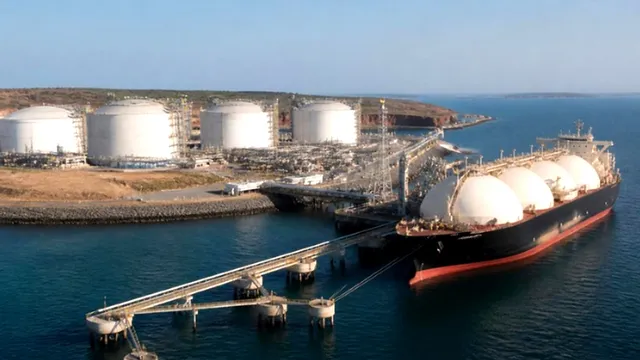
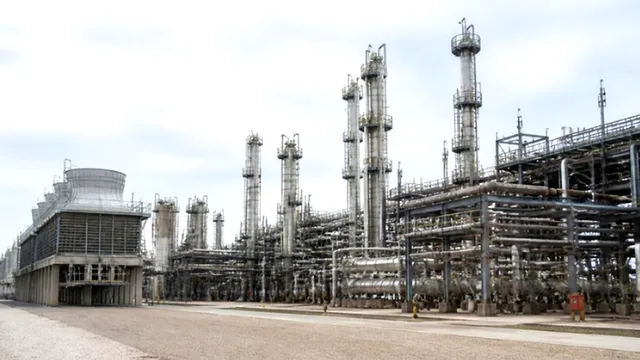
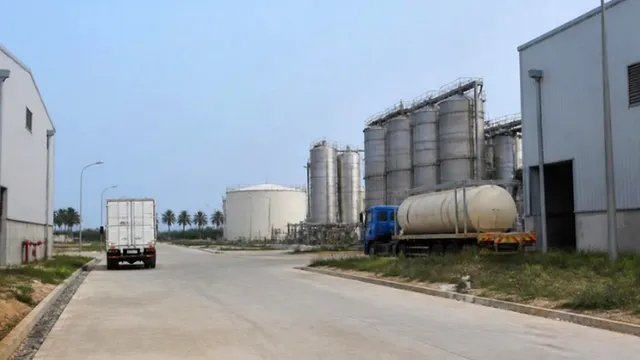
High-stakes facilities on which our engineers have worked.
04 · Method
The facility as it is operated, the regulatory framework, the expectations of lenders and authorities.
Identify hazards, assess scenarios, verify barriers: HAZID, HAZOP, LOPA, QRA, safety report.
Emergency plans, fire protection, business continuity, crisis exercises with teams and emergency services.
Train teams and inspectors, track recommendations to closure, anchor skills locally.
05 · Locations
Head office in Paris, offices in Pointe-Noire and Brazzaville, assignments across Central and West Africa.
Republic of the Congo
Pointe-Noire and Brazzaville offices
Countries of operation
Democratic Republic of the Congo, Cameroon, Gabon, Equatorial Guinea, Chad, Côte d’Ivoire, Senegal and across Central and West Africa
Head office in Paris
50, avenue des Champs-Élysées, 75008 Paris, France
We work across Central and West Africa, in French and in English, with teams who know the field and the administrations.
06 · Insights
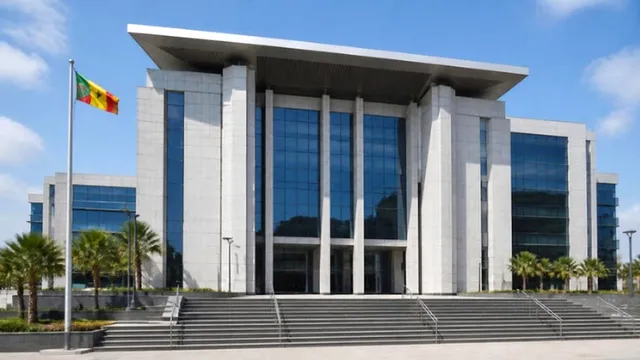
Regulatory watch: Directive 2012/18/EU remains the most comprehensive reference for building a national major-accident prevention system. A reading for administrations in Central and West Africa.
Read more
Institutional watch: adopted in 1993, Convention No. 174 of the International Labour Organization commits states to identify their major hazard installations and organise their prevention. A framework African administrations can use directly.
Read more
Lenders' watch: the eight Performance Standards of the International Finance Corporation and the Equator Principles set the environmental and social expectations of most lenders. Standards 1, 3 and 4 concern industrial risk management directly.
Read more
This website uses no tracking cookies and no advertising trackers. Only the technical data strictly required to run the site is processed.Our cookie policy