Developing industry without compromising the future
Central and West Africa must reconcile two imperatives: developing its industries and infrastructure, and preserving an exceptional environment, from the forests of the Congo Basin to the mangroves of the Gulf of Guinea. Operators and governments also face the effects of climate change on their facilities: sea-level rise, extreme rainfall, heat.
BECP Conseil helps companies and administrations integrate these issues into their decisions, with the same rigour as for industrial risk management.
Measuring and reducing emissions
- Greenhouse gas inventory under the GHG Protocol: direct emissions (scope 1), indirect energy emissions (scope 2) and other indirect emissions (scope 3).
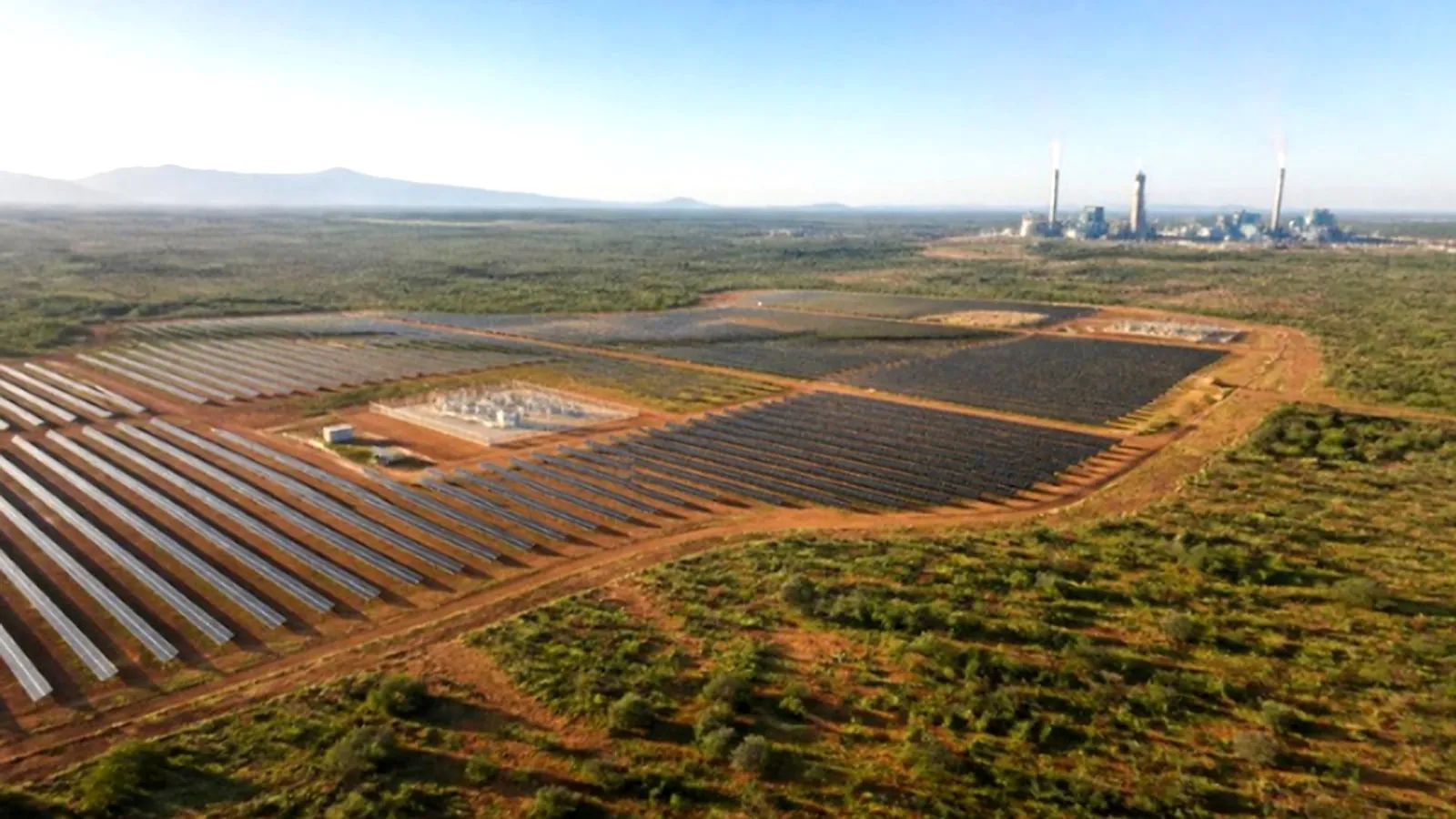
- Decarbonisation plans: energy efficiency, electrification, renewable energy, gas recovery, with a quantified pathway and a prioritised action plan.
- Flaring and methane: for oil and gas facilities, we support programmes to reduce routine flaring and to detect and repair methane leaks, consistent with the sector’s international initiatives.
Anticipating climate risks
We assess the exposure of facilities to physical climate hazards (flooding, marine submersion, coastal erosion, extreme heat) and propose adaptation measures. This analysis connects with our safety studies: a natural hazard can trigger an industrial accident.
Environment and biodiversity
- Environmental and social impact assessments (ESIA) and environmental and social management plans (ESMP), compliant with national regulations and lenders’ standards.
- Biodiversity: assessment of issues and the mitigation hierarchy (avoid, reduce, offset).
- Water, waste and circular economy: inventories, reduction and recovery plans.
Our approach
- Credible targets, based on measured data.
- An integrated view: climate, environment, safety and business continuity.
- Solutions suited to the energy and economic context of the countries where we work.