Published on
Hazardous facilities in Central Africa: where do national frameworks stand?
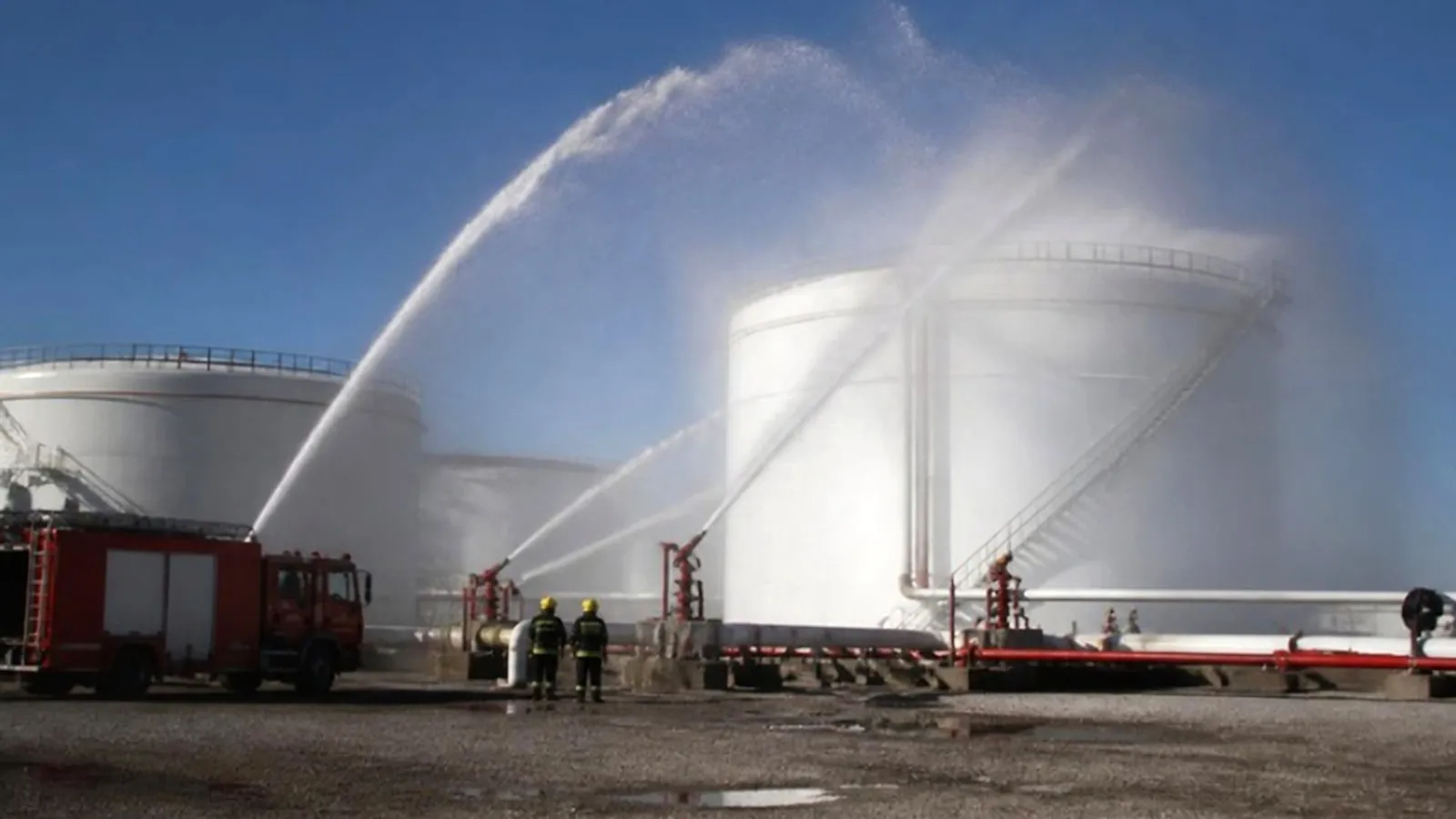
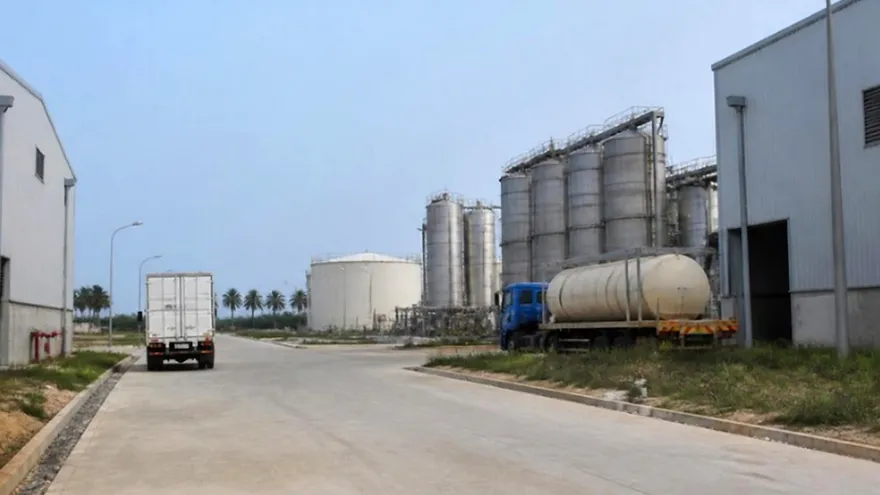
Regulatory watch: Republic of the Congo, Democratic Republic of the Congo, Cameroon, Gabon. The founding texts exist, often for a long time; the challenge is now their implementation on major hazard facilities.
Regulatory watch. This article presents public texts and their relevance for our clients. It does not replace the official texts, whose consolidated versions should be consulted in the official gazettes.
Republic of the Congo
Law No. 003/91 of 23 April 1991 on environmental protection lays the foundations of the classified installation regime and the impact study. The Hydrocarbons Code (Law No. 28-2016 of 12 October 2016) imposes on holders of petroleum contracts obligations in terms of health, safety, environment and emergency management. The implementing texts on safety reports and emergency plans are one of the areas in which we support the administration.
Democratic Republic of the Congo
Law No. 11/009 of 9 July 2011 on fundamental principles relating to environmental protection establishes the environmental and social impact study and the environmental audit, and provides for a classified installation regime. The revised Mining Code (Law No. 18/001 of 9 March 2018) and its regulations strengthen the environmental and safety obligations of mining rights holders, in a country where processing plants and reagent storage are major hazard facilities.
Cameroon
Framework Law No. 96/12 of 5 August 1996 on environmental management organises impact studies and the regime of dangerous, unhealthy or inconvenient classified establishments, supplemented by implementing texts. The development of gas and port projects calls for a strengthening of the “major accidents” component: safety reports, external emergency plans, inspection.
Gabon
Law No. 007/2014 of 1 August 2014 on environmental protection regulates classified installations, impact studies and the management of hazardous substances. Oil and gas facilities also fall under the Hydrocarbons Code.
What we observe
- The legal foundations exist everywhere: classified installation regime, impact study, HSE obligations for operators.
- The missing link is often the system specific to major accidents: formalised safety report, external emergency plans, land-use planning, specialised inspection.
- International standards (Seveso III, ILO Convention No. 174, IFC Performance Standards) provide an architecture ready to be adapted.
BECP Conseil works precisely on this link, for administrations and operators alike.